Wednesday, February 19, 2020

Should we paint? Asking and listening to owners

If you’re like most strata corporations, building maintenance is a divisive issue. And if you’re reading this, it’s because you care, perhaps more than most.

Proactive councils understand building life cycles and depreciation reports and are knowledgeable about various project costs.  In contrast, other groups seem to oppose any proposal to spend money except for regular operations. Or worse, they are indifferent (or oblivious) to the need to regularly maintain their strata property. Welcome to strata living.

But there is hope. Major painting projects are a valuable investment of time and money. Done well, they immediately improve property values, reduce future maintenance expenses, increase community pride of ownership and make people feel better about their homes.

So, walking into an AGM, owners will be thinking of all of these things as they decide whether to give approval. But they are also weighing these benefits against the joy of buying a new car, taking a vacation, building their savings, or just keeping up with their regular bill payments. Everyone’s situation is different.

Our advice? Here are four ways to build the momentum needed to get your painting project approved:

  • Engage the owners early on, survey with options, gauge interest
  • Hold an information meeting, invite input, summarize and distribute findings
  • Form a non-council advisory group
  • Invite a credible industry spokesperson to the AGM for questions

These are ideas for wider consultation and can allow the process to gain energy. They will also provide insight into what is most important to owners since its unlikely to be the same for everyone.

Once you have this information, you are in a better position to decide if there is enough support to move forward. If it’s close you may see opportunities to provide more information, answer concerns, or simply work to persuade the swing group.

For example, do they need to know that the resale value will increase? Are they more interested in improving community pride? Is there concern that if we don’t paint now, then it will cost us much more in the long run. Perhaps they need someone to share their enthusiasm about the project results or a past experience that proved worthwhile.

We’re quite certain; your best success will come from a mix of practical information and emotional convincing. And, if you are aware of what’s important to owners, then you’ll be better equipped to get your approval.

We hope this helps. If you’re in a situation like above and curious for more ideas, please call or email us to discuss.

The post Should we paint? Asking and listening to owners appeared first on Remdal.


from Remdal https://ift.tt/3bNO1Qp

Should we paint? Asking and listening to owners

If you’re like most strata corporations, building maintenance is a divisive issue. And if you’re reading this, it’s because you care, perhaps more than most.

Proactive councils understand building life cycles and depreciation reports and are knowledgeable about various project costs.  In contrast, other groups seem to oppose any proposal to spend money except for regular operations. Or worse, they are indifferent (or oblivious) to the need to regularly maintain their strata property. Welcome to strata living.

But there is hope. Major painting projects are a valuable investment of time and money. Done well, they immediately improve property values, reduce future maintenance expenses, increase community pride of ownership and make people feel better about their homes.

So, walking into an AGM, owners will be thinking of all of these things as they decide whether to give approval. But they are also weighing these benefits against the joy of buying a new car, taking a vacation, building their savings, or just keeping up with their regular bill payments. Everyone’s situation is different.

Our advice? Here are four ways to build the momentum needed to get your painting project approved:

  • Engage the owners early on, survey with options, gauge interest
  • Hold an information meeting, invite input, summarize and distribute findings
  • Form a non-council advisory group
  • Invite a credible industry spokesperson to the AGM for questions

These are ideas for wider consultation and can allow the process to gain energy. They will also provide insight into what is most important to owners since its unlikely to be the same for everyone.

Once you have this information, you are in a better position to decide if there is enough support to move forward. If it’s close you may see opportunities to provide more information, answer concerns, or simply work to persuade the swing group.

For example, do they need to know that the resale value will increase? Are they more interested in improving community pride? Is there concern that if we don’t paint now, then it will cost us much more in the long run. Perhaps they need someone to share their enthusiasm about the project results or a past experience that proved worthwhile.

We’re quite certain; your best success will come from a mix of practical information and emotional convincing. And, if you are aware of what’s important to owners, then you’ll be better equipped to get your approval.

We hope this helps. If you’re in a situation like above and curious for more ideas, please call or email us to discuss.

The post Should we paint? Asking and listening to owners appeared first on Remdal.


from Remdal https://ift.tt/3bNO1Qp

Wednesday, December 4, 2019

Preparing your strata for an exterior painting project

Decision making can be a challenge in any strata corporation; especially when investing significant funds into maintenance such as an exterior re-painting project. Here is some friendly advice to get started and provide your council with a solid foundation for your planning.
Establish a Scope of Work

A proper scope of work means determining what needs to be painted and what does not. Having clear consensus from council before calling contractors will save time and money. There are painting inspectors who can help you decide what to re-paint and which products to use (search online for Painting Inspectors in your area or call us for info on who we see in the market). If your strata decides to establish the scope of work on your own, the first step is to review your existing surfaces and note any areas of concern. Use the following checklist to help ensure you cover all the areas.

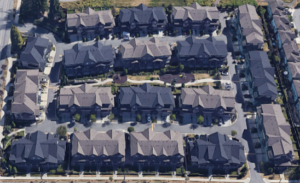
One way we’ve found helpful to assess a property is to print out an overhead from Google Maps. Then during a comprehensive 1- 2 hour walk around the property, make notes on the sheet about the affected areas.
Walk-through Checklist

Here is a list of common surface types to consider for re-painting and possible repair:

  • wood siding
  • composite siding
  • vinyl siding
  • stucco
  • concrete
  • brick
  • soffits
  • fascia & trim
  • wood windows
  • decks/patios
  • railings
  • metal surfaces
  • light standards
  • pillars
  • shakes
  • doors/frames
  • garage doors
  • metal Cladding
  • privacy fencing
  • perimeter fencing
  • decorative features
  • other

Other considerations are:

  • existing leaks
  • balcony membranes
  • window perimeters
  • sealant repairs
  • wood trims
  • metal flashings
  • attachments
  • roof membrane


Prepare a budget and plan to raise funds

It is always best practice to start planning early and give yourselves ample time to make your decisions. In some cases, this means 1-2 years before the project, in other cases 6 months can be enough time.

If you’ve taken the time to get council consensus on the scope of work, then getting a budget quote will be fairly simple.  It will also be more useful because it will be an accurate amount to use for planning and approval. Remdal often provides budget quotations for projects.If you need assistance with a budget quote, we have estimators available to help you.

And now that you have a better idea of the amount of money required, your focus can turn to raising funds though your Contingency Reserve fund (3/4 vote), Special Levy (3/4 vote) or from a Depreciation Report (majority vote). This is a choice that varies from one strata to another depending on many factors.

Next steps

Over the following months you will want to give your project the best opportunity for success, but taking some additional steps including:

  • building a strong business case for owners;
  • assessing and choosing your colours;
  • inviting qualified painting contractors;
  • evaluating and selecting the best proposal;
  • identifying best practices to help the job go smoothly;
  • the science of finishing well.

We’ll cover these items in upcoming blogs.

Looking for assistance with a project, a second opinion, or a budget quote? Contact us here:


The post Preparing your strata for an exterior painting project appeared first on Remdal.


from Remdal https://ift.tt/2PiFREW

Preparing your strata for an exterior painting project

Decision making can be a challenge in any strata corporation; especially when investing significant funds into maintenance such as an exterior re-painting project. Here is some friendly advice to get started and provide your council with a solid foundation for your planning.

Establish a Scope of Work

A proper scope of work means determining what needs to be painted and what does not. Having clear consensus from council before calling contractors will save time and money. There are painting inspectors who can help you decide what to re-paint and which products to use (search online for Painting Inspectors in your area or call us for info on who we see in the market). If your strata decides to establish the scope of work on your own, the first step is to review your existing surfaces and note any areas of concern. Use the following checklist to help ensure you cover all the areas.

One way we’ve found helpful to assess a property is to print out an overhead from Google Maps. Then during a comprehensive 1- 2 hour walk around the property, make notes on the sheet about the affected areas.

Walk-through Checklist

Here is a list of common surface types to consider for re-painting and possible repair:

  • wood siding
  • composite siding
  • vinyl siding
  • stucco
  • concrete
  • brick
  • soffits
  • fascia & trim
  • wood windows
  • decks/patios
  • railings
  • metal surfaces
  • light standards
  • pillars
  • shakes
  • doors/frames
  • garage doors
  • metal Cladding
  • privacy fencing
  • perimeter fencing
  • decorative features
  • other

Other considerations are:

  • existing leaks
  • balcony membranes
  • window perimeters
  • sealant repairs
  • wood trims
  • metal flashings
  • attachments
  • roof membrane


Prepare a budget and plan to raise funds

It is always best practice to start planning early and give yourselves ample time to make your decisions. In some cases, this means 1-2 years before the project, in other cases 6 months can be enough time.

If you’ve taken the time to get council consensus on the scope of work, then getting a budget quote will be fairly simple.  It will also be more useful because it will be an accurate amount to use for planning and approval. Remdal often provides budget quotations for projects.If you need assistance with a budget quote, we have estimators available to help you.

And now that you have a better idea of the amount of money required, your focus can turn to raising funds though your Contingency Reserve fund (3/4 vote), Special Levy (3/4 vote) or from a Depreciation Report (majority vote). This is a choice that varies from one strata to another depending on many factors.

Next steps

Over the following months you will want to give your project the best opportunity for success, but taking some additional steps including:

  • building a strong business case for owners;
  • assessing and choosing your colours;
  • inviting qualified painting contractors;
  • evaluating and selecting the best proposal;
  • identifying best practices to help the job go smoothly;
  • the science of finishing well.

We’ll cover these items in upcoming blogs.

Looking for assistance with a project, a second opinion, or a budget quote? Contact us here:


The post Preparing your strata for an exterior painting project appeared first on Remdal.


from Remdal https://ift.tt/2PiFREW

Wednesday, August 28, 2019

Clean & tidy, not your typical waste room

We all want to do our best for the environment. In our daily lives that begins with household recycling and garbage. 

Municipalities throughout Metro Vancouver have added various initiatives to encourage recycling, and they’ve also added financial penalties to trash haulers who have recyclables in their garbage pickups.

Regulation changes have continued with the addition of organic waste, aiming to separate out food scraps and reduce overall waste by another 30%. 

That is all well and good, but most building’s waste rooms exist somewhere between messy, disgusting and revolting. What if your property could start to resolve this issue? 

It may be as simple as organizing the space, adding colour to the walls, and encouraging greater respect for common areas.

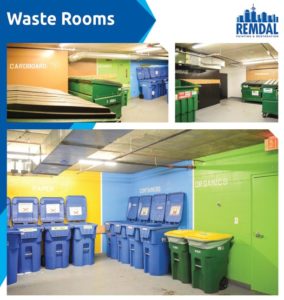
The idea began with recognizing that people need to understand quickly how to sort their recycling and waste products. Otherwise, confused by a room full of green bins, blue containers, and garbage cans, many people give up and toss it in the closest bin.

By organizing the space, it shows an increased commitment to resolving an ongoing problem.

By colour coding with coordinated bins and wall colours,  it clarifies and simplifies what goes where. The result will be a clean & tidy waste room.  

If you are encouraged by the idea, contact us 604-882-5155 or info@remdal.com, and we’ll meet you, discuss your situation and provide a Waste Room Makeover proposal for your property. 


The post Clean & tidy, not your typical waste room appeared first on Remdal.


from Remdal https://ift.tt/2ZqbBQA

Clean & tidy, not your typical waste room

We all want to do our best for the environment. In our daily lives that begins with household recycling and garbage. 

Municipalities throughout Metro Vancouver have added various initiatives to encourage recycling, and they’ve also added financial penalties to trash haulers who have recyclables in their garbage pickups.

Regulation changes have continued with the addition of organic waste, aiming to separate out food scraps and reduce overall waste by another 30%. 

That is all well and good, but most building’s waste rooms exist somewhere between messy, disgusting and revolting. What if your property could start to resolve this issue? 

It may be as simple as organizing the space, adding colour to the walls, and encouraging greater respect for common areas.

The idea began with recognizing that people need to understand quickly how to sort their recycling and waste products. Otherwise, confused by a room full of green bins, blue containers, and garbage cans, many people give up and toss it in the closest bin.

By organizing the space, it shows an increased commitment to resolving an ongoing problem.

By colour coding with coordinated bins and wall colours,  it clarifies and simplifies what goes where. The result will be a clean & tidy waste room.  

If you are encouraged by the idea, contact us 604-882-5155 or info@remdal.com, and we’ll meet you, discuss your situation and provide a Waste Room Makeover proposal for your property. 


The post Clean & tidy, not your typical waste room appeared first on Remdal.


from Remdal https://ift.tt/2ZqbBQA